

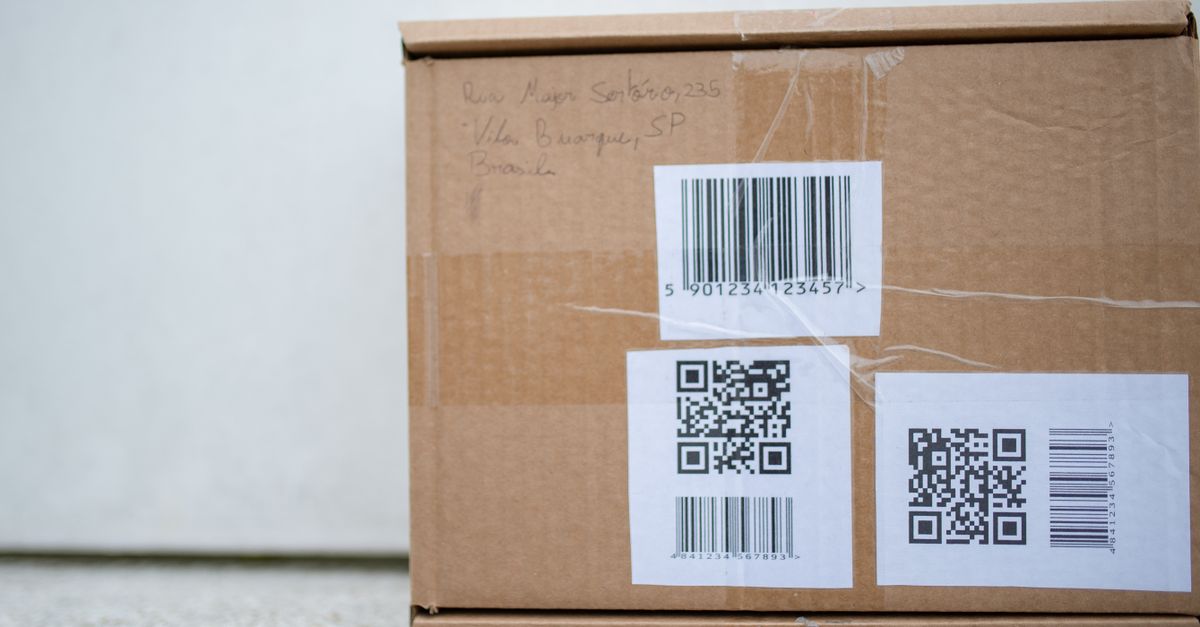
Managing SSCC-18 serial numbers is fundamental to supply chain accuracy and trading partner compliance for any business that issues GS1-128 shipping labels. The Serial Shipping Container Code (SSCC-18) serves as a globally unique identifier for logistic units like pallets, cartons, or cases. SSCC-18 serial numbers must be carefully managed, remain unique for the required period, and accurately reflect physical movements, all while matching electronic documents such as Advance Ship Notices (ASNs).
The SSCC-18 is an 18-digit identifier assigned to each logistic unit in global supply chains. It follows GS1 standards and is typically encoded using GS1-128 (formerly UCC-128) barcode symbology. The number acts as a "license plate" for the logistic unit, enabling both physical and electronic traceability as it moves from shipper to consignee.
To achieve seamless integration with retailers, distributors, and logistics partners, SSCC-18 management should focus on the following fundamentals:
The SSCC-18 is made up of four key components:
The combination of these fields creates a globally unique 18-digit identifier. The barcode itself uses the Application Identifier (AI) "00" to signal that it contains an SSCC.
Many businesses find that consolidating SSCC generation in their ERP or WMS eliminates most duplication and mismatch risks. Focused E-Commerce specializes in end-to-end EDI and ERP integration, helping companies implement these controls without disrupting operations.
Imagine a manufacturer with three warehouses, each shipping to major retailers. If each warehouse assigns their own serial references from a shared pool, collisions can occur. Instead, they split the serial number range by warehouse, or centralize assignment within the ERP, ensuring site-to-site uniqueness and cross-dock visibility. Using solutions like Focused E-Commerce’s UCC Label App, the process is automated, SSCCs are always unique, and every label is traceable back to the right shipment in the ERP.
As an industry leader with more than two decades of experience, Focused E-Commerce assists businesses across supply chain, healthcare, retail, and manufacturing to establish robust SSCC management as part of a secure, compliant EDI workflow. Our UCC Label App enables you to generate GS1-128/UCC-128 shipping labels directly from EDI data, including automated SSCC assignment and full barcode compliance. Our EDI integration solutions for Oracle, Infor, and SAP help unify your systems and ensure that no SSCC gets lost, reused, or mistyped, even when managing high shipment volumes or multiple trading partner requirements.
If you support Amazon, Walmart, Target, or other major retailers, see our related guide on software for UCC-128 label generation from EDI data. For process tips on peak compliance periods, read the Peak Shipping Season EDI Checklist for Retail Suppliers.
Centralized SSCC-18 management benefits every EDI-connected business, but integration with your WMS and ERP remains essential. For multi-ERP environments or large supplier portfolios, Focused E-Commerce delivers custom, proven solutions that enforce global uniqueness, validate document alignment, and reduce the burden of supplier or retail chargebacks. Our tools and libraries are built for rapid deployment in demanding supply chain workflows, drawing on decades of real client success in the field.
Our clients often come to us after struggling with multiple sites generating their own labels, leading to costly duplicate SSCCs and retailer disputes. With Focused E-Commerce’s support, they transition to automated, ERP-driven SSCC assignment, integrating label generation with shipment processing and EDI transaction flows. Clients report seamless compliance audits, fewer shipment exceptions, and dramatically reduced time spent on manual reconciliations or trading partner calls. For more client results, visit our testimonials page.
By implementing these steps, businesses reduce costly errors and chargebacks and support fast, reliable shipment receiving across trading partner networks.
GS1 standards state that an SSCC-18 should remain unique for at least 12 months (one year) from shipment, or longer if specified by the industry or trading partner agreements. Reusing numbers too soon can result in supply chain confusion and non-compliance penalties.
The SSCC-18 is encoded in GS1-128 barcode format, with Application Identifier 00 indicating the data field contains an SSCC. This is internationally recognized and accepted by all GS1-compliant trading partners.
Manual creation is discouraged due to the high risk of collision or transcription errors. Automated tools (such as those provided by Focused E-Commerce) ensure consistency, compliance, and easier validation, especially at scale.
No. SSCC-18s must not be reused for the defined retention period (usually at least 12 months). Early reuse can cause retailer system errors, disrupt traceability, and may result in compliance penalties or chargebacks.
Yes. Always store the full 18-digit value, including any leading zeros, to guarantee data consistency across labels, barcodes, and electronic records.
Effective management of SSCC-18 serial numbers is essential for reliable supply chain operations, full retailer compliance, and uninterrupted flow from production line to end customer. By centralizing and automating SSCC assignment, synchronizing labels with ASNs, and adopting best practices based on GS1 guidelines, businesses eliminate costly errors and streamline logistics workflows. Focused E-Commerce remains the go-to expert for businesses seeking robust, scalable solutions for EDI, ERP, and warehouse integration, with proven products and client results across a range of industries. If you are ready to improve your SSCC management and reduce supply chain headaches, contact our team or explore detailed client stories and solutions across our site.

Amazon Direct Fulfillment EDI setup accelerates order processing by automating mapping, reducing errors, and boosting vendor compliance for faster fulfillment.
Amazon EDI Document Flow streamlines PO-to-invoice processes by automating EDI 850,855,856 & 810 messages, boosting fulfillment and reducing costly errors.

Amazon Vendor Central EDI testing secures flawless holiday order flows. Focused E-Commerce streamlines integration to prevent chargebacks and delivery delays.
Whether you need EDI for healthcare, supply chain, or ERP integration — our experts are here to guide you through every step of the implementation process